Fashion Trends 2026: What’s Actually Changing (Not Just What’s Trending)
Fashion trends in 2026 aren’t just about what’s “in” or “out” anymore. Something deeper is changing. People are no longer dressing only to follow trends—they’re dressing to fit their lives, values, and realities.
If you’ve felt overwhelmed by fast-changing styles, constant micro-trends on social media, or pressure to keep buying new clothes, you’re not alone. In 2026, fashion is moving away from loud trend cycles and toward smarter, more intentional choices. Comfort, versatility, sustainability, and personal identity are becoming more important than blindly copying runway looks or influencer outfits.
This shift affects everyone—whether you’re a student building a wardrobe on a budget, a working professional who wants effortless style, or someone who simply wants clothes that last and feel right. Fashion is becoming less about impressing others and more about expressing yourself in a way that feels honest and practical.
In this guide, we’re not listing short-lived trends or viral outfits. Instead, we’ll explore what’s actually changing in fashion in 2026—how people shop, what they value, and why style is becoming more personal, functional, and thoughtful than ever before.
If you want to understand where fashion is really heading—and how to dress confidently without chasing every trend—this guide is for you.
Tariffs Are Redrawing the Global Fashion Supply Map
As tariffs reshape the global trade landscape in 2026, fashion brands are scrambling to redraw their supply maps in ways we haven’t seen in decades.
I’m watching executives pivot fast, with 85% now planning to produce and sell within the same region.
This shift toward nearshore sourcing isn’t just about dodging tariff compliance headaches, it’s transforming how fashion operates.
Higher duties are squeezing margins hard, pushing companies to move production closer to home.
The old cost-first playbook? It’s getting replaced by something smarter: regional resilience that lets brands respond quickly while managing unpredictable trade costs.
In Spain alone, 23% of fashion companies are already moving toward nearshoring into geopolitically stable regions, reducing their Asia dependency.
But changing sourcing strategies this dramatically exposes the inflexible technology limitations that many brands are running on today.
Prices Are Rising, but Shoppers Are Buying Smarter
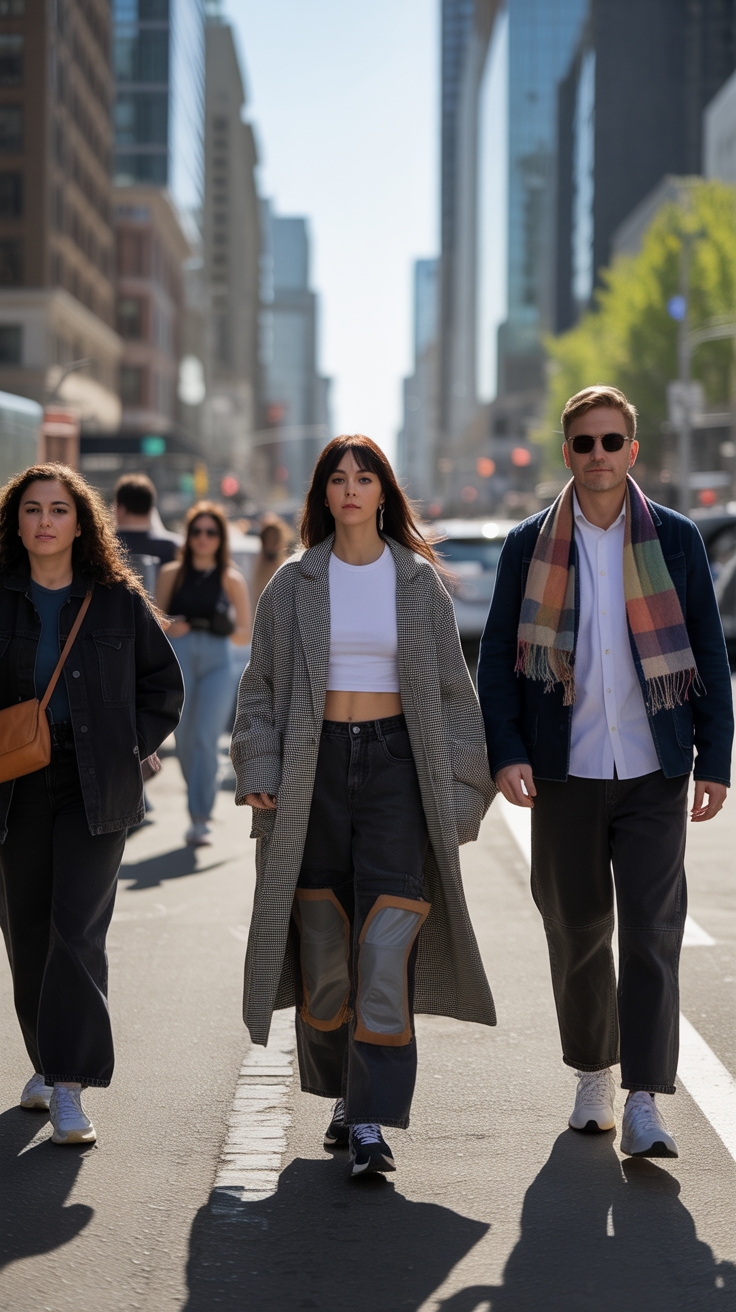
While tariffs push prices upward across the fashion industry, something fascinating is happening: shoppers aren’t panicking, they’re getting strategic.
I’m watching 92% of consumers actively rethink their buying patterns, embracing smart budgeting with impressive discipline. They’re delaying impulse purchases, focusing on functional needs, and choosing pieces that truly matter. Quality prioritization has become the new standard, with durability outweighing discounts every time. What’s remarkable is that 66% now seek value through craftsmanship rather than sales tags. Nearly a third still splurge occasionally, but only on emotionally resonant pieces that spark genuine joy and connection.
The shift is undeniable: fashion now ranks fourth among discretionary spending, trailing behind dining, travel, and fitness across all age groups from 18 to 55+.
Second-Hand Fashion Is Growing 2-3x Faster Than New
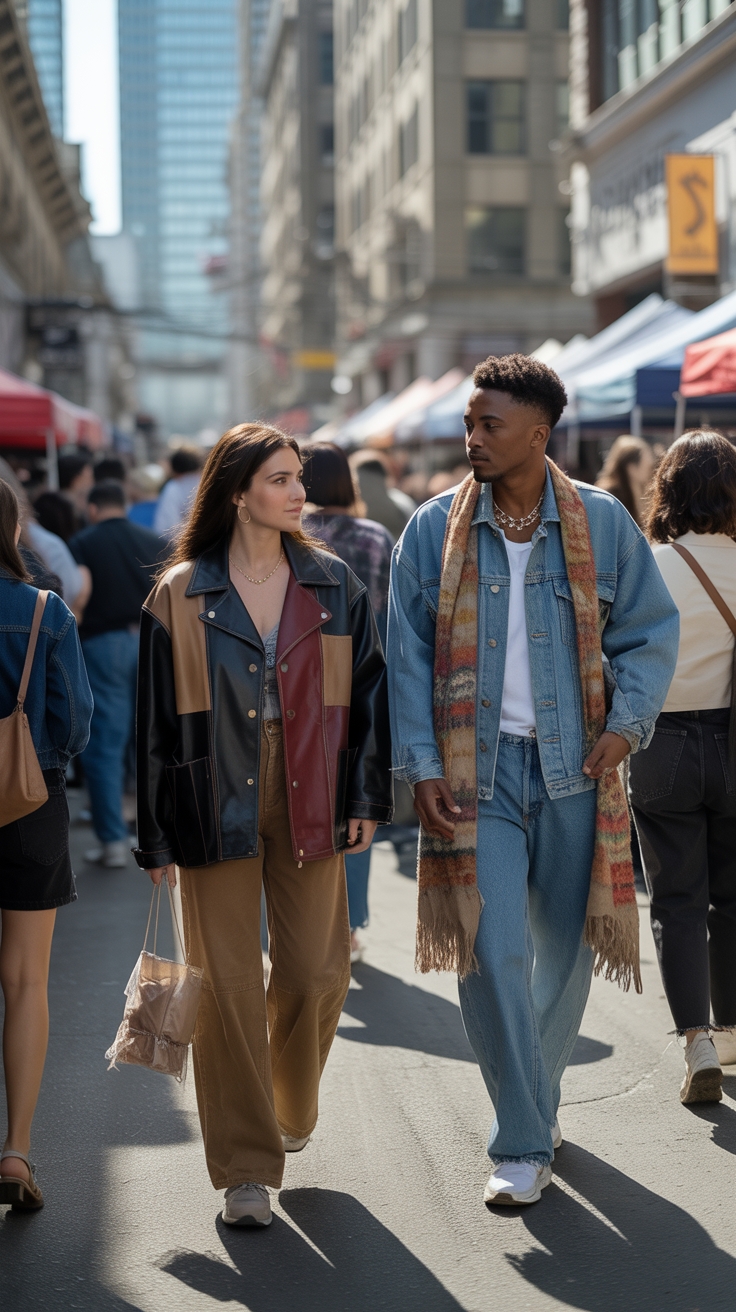
The secondhand fashion revolution isn’t just happening, it’s absolutely exploding at a pace that’s leaving traditional retail in the dust. I’m watching resale markets grow at 11% annually while new fashion crawls along in single digits, and honestly, it’s thrilling.
You’re part of something massive when you shop pre-owned, joining peer communities that celebrate vintage aesthetics and sustainability together. Nearly 60% of consumers worldwide are choosing secondhand in 2026, with Gen Z leading this incredible movement.
The numbers don’t lie, secondhand is projected to hit $317 billion by 2028, transforming how we think about fashion.
Fashion Shoppers Resist AI Shopping Tools Despite Retail Hype
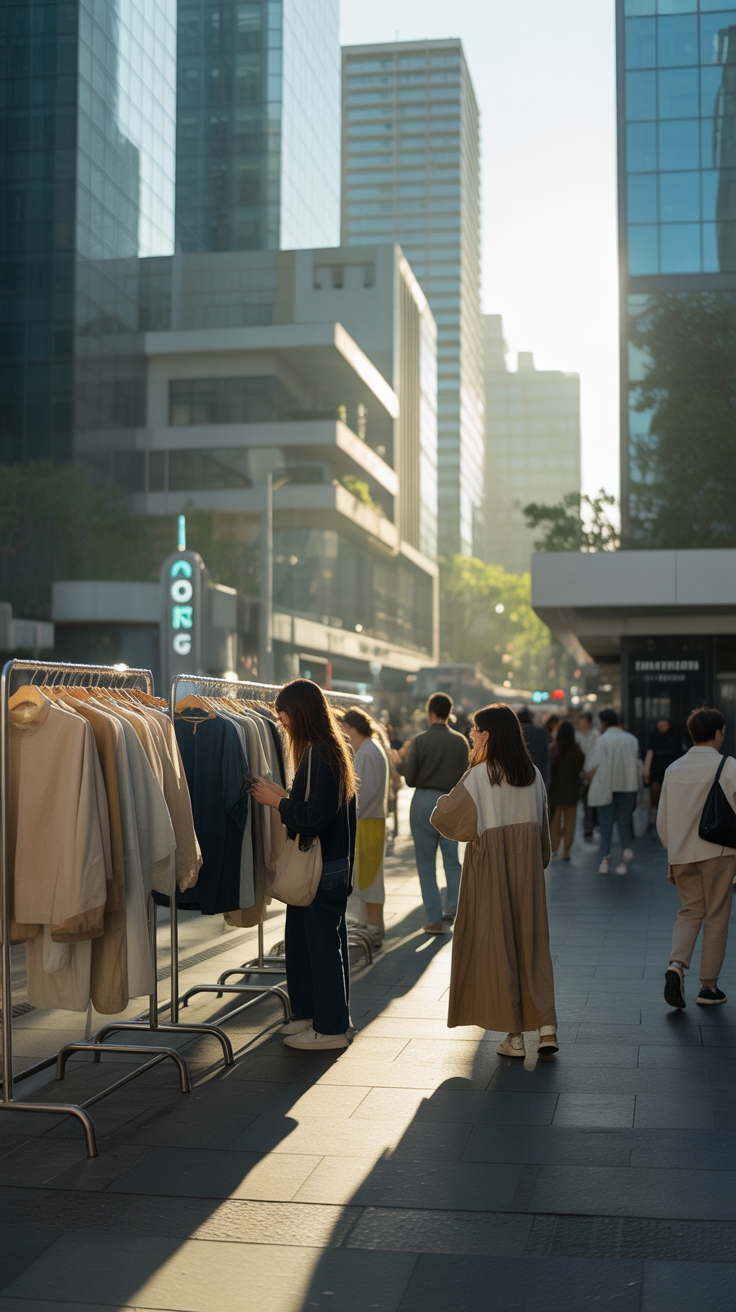
Retailers are racing to roll out AI shopping assistants that promise personalized recommendations and effortless checkout, yet consumers aren’t exactly embracing these tools with open arms. Despite 53% trying generative AI for shopping searches, there’s a Trust Deficit keeping widespread adoption at bay.
Fashion purchases involve style, fit, and emotional investment, areas where AI struggles to match human judgment. This Emotional Resistance makes sense when you consider that your personal taste can’t be reduced to algorithms.
While AI excels at transactional tasks like inventory checks, it falters with nuanced decisions about occasion, seasonality, and that indefinable something that makes an outfit feel right for you.
Jewelry Is the Fastest-Growing Fashion Category in 2026
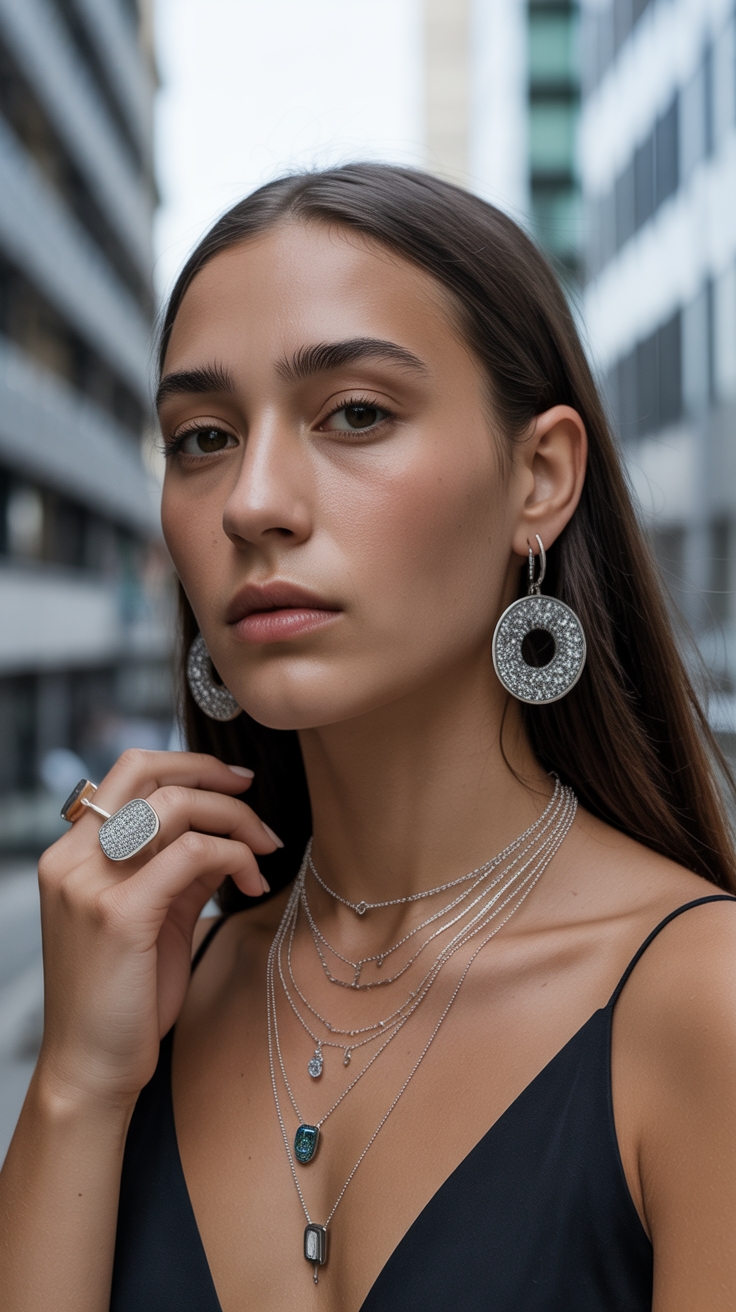
Fashion lovers are shifting their spending priorities in surprising ways, and jewelry has emerged as the undisputed champion of growth in 2026.
While clothing sales crawl along, jewelry purchases are skyrocketing at four times that rate, reaching a stunning $391 billion globally.
Here’s what’s driving this exciting transformation:
- Customization Demand is reshaping how we buy, with personalized pieces growing at 8.4% annually
- Lab Grown diamonds are making luxury accessible to more shoppers
- Asia Pacific leads with 39% of global market share
- Tech-enabled jewelry merges innovation with tradition
This shift proves we’re investing in pieces that truly matter, choosing quality over quantity.
Football and Pink Trainers Post 14-19% Annual Growth
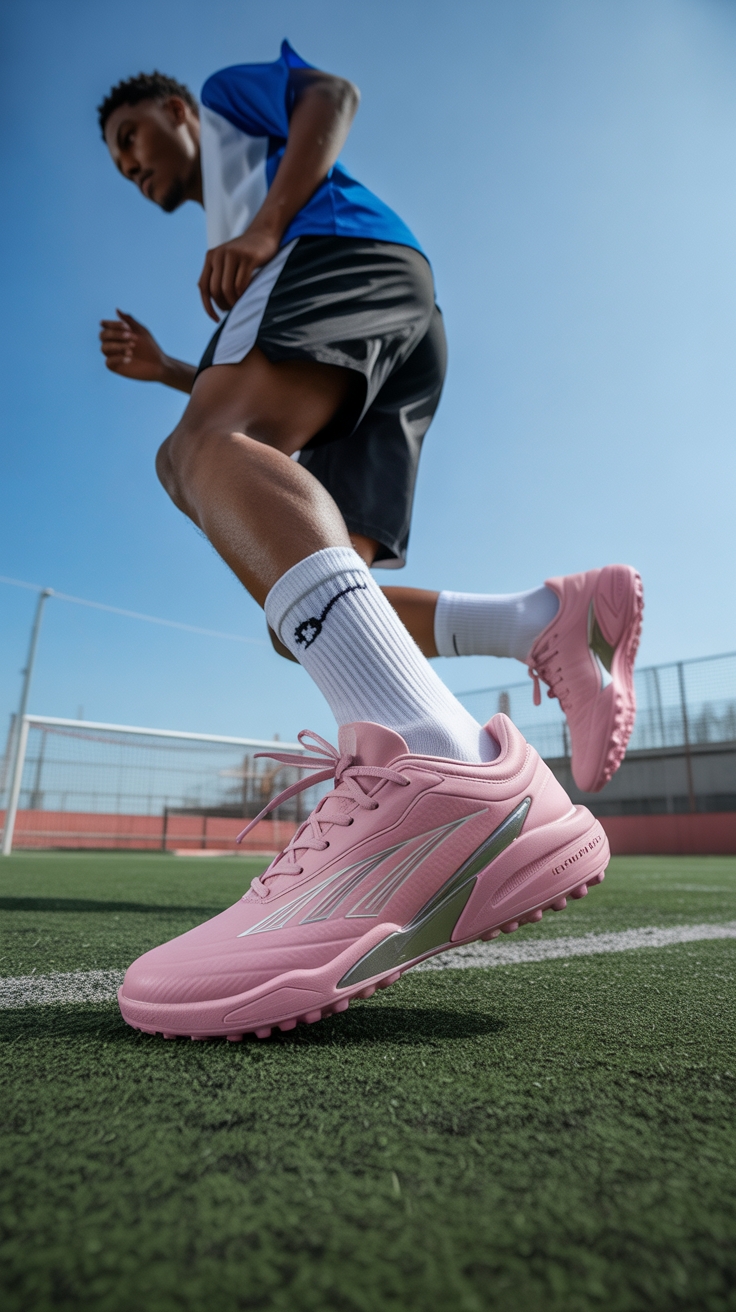
While jewelry takes the spotlight this year, another fashion category is racing ahead with equally impressive momentum.
Football trainers are posting 14-19% annual growth, driven by an unexpected Style Crossover that’s transforming athletic footwear into everyday essentials. Pink trainers, popularized by Germany’s sold-out half-million Euro 2024 shirts, are leading this charge into 2026.
The Grassroots Boom in youth football registrations, up 25%, is expanding the consumer base dramatically.
Premium segments are flourishing as running shoes replace classic white trainers in business settings. This convergence of sport and fashion is reshaping how we dress, making athletic wear genuinely fashionable.
Resale and Circularity Are Now Business Essentials
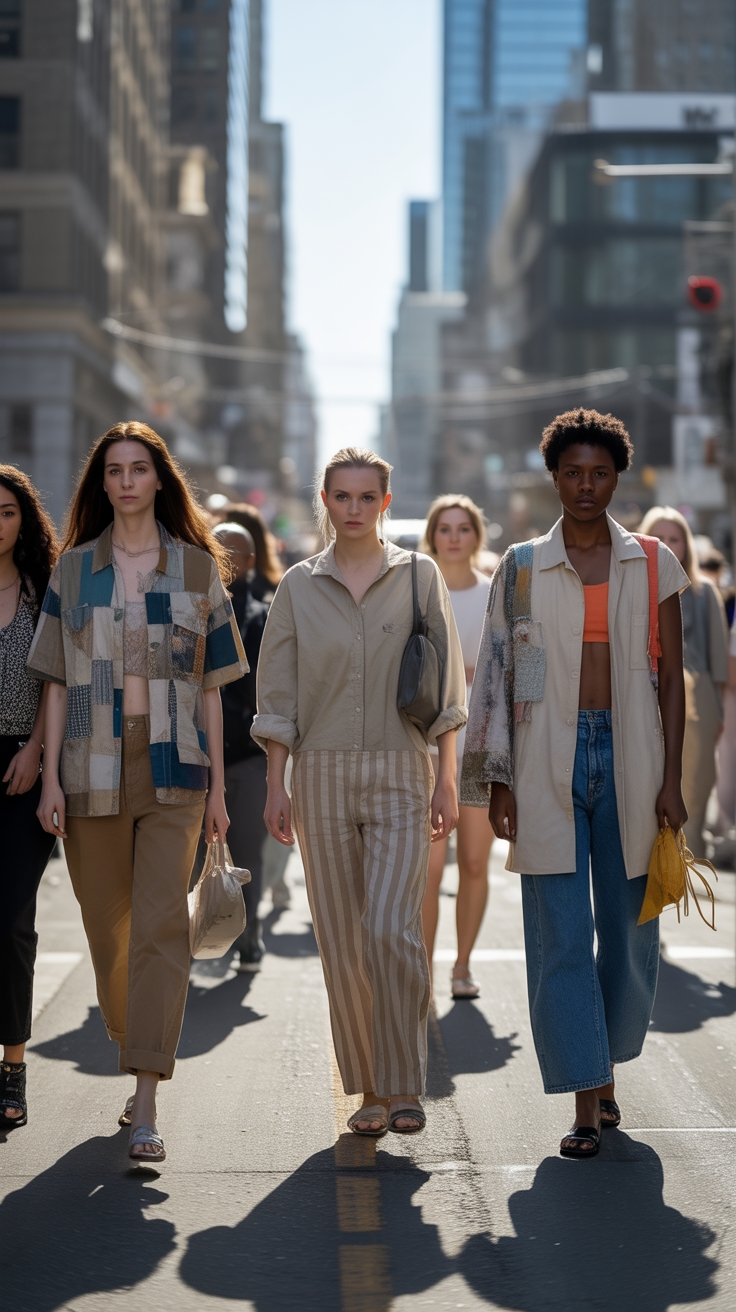
As sustainable shopping transforms from niche trend to mainstream movement, the secondhand clothing market is exploding with growth that’s reshaping how we think about fashion.
I’m watching this space reach $317 billion by 2028, growing three times faster than new apparel.
Here’s what’s driving this revolution:
- Takeback programs let brands recapture their own products for resale
- Product traceability technology authenticates items and builds trust
- Digital platforms make finding quality pieces easier than ever
- 60% of global consumers now embrace resale shopping
This isn’t just trendy—it’s transforming fashion into a circular ecosystem where clothes live multiple lives.